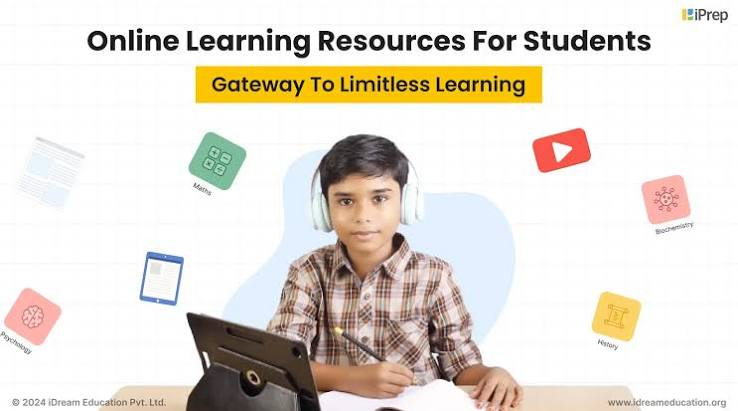

Starting something new can feel overwhelming, especially when there are thousands of websites, tutorials, and communities competing for your attention. Whether you’re learning a new skill, beginning a career journey, or exploring a personal hobby, the internet offers an incredible range of educational resources that can make the process easier. One helpful way to discover interesting online platforms is through qqmacan where beginners can find useful information while expanding their online knowledge. The key is to focus on trusted resources that provide accurate information, structured learning paths, and supportive communities.
Why Online Resources Matter for Beginners
The digital age has transformed education by making quality learning accessible to almost everyone. Instead of relying solely on textbooks or expensive classes, beginners can now access tutorials, videos, interactive exercises, and discussion forums from anywhere in the world. This flexibility allows learners to study at their own pace while choosing topics that match their interests and goals.
Online resources also encourage continuous learning. As industries evolve and technology changes, people can easily update their skills without enrolling in full-time educational programs. This makes online learning an essential part of personal and professional development.
Educational Websites
Educational websites are often the first stop for beginners. They provide structured lessons that introduce concepts gradually, making it easier to understand complex topics. Many platforms offer beginner-friendly courses covering programming, business, design, writing, mathematics, science, and language learning.
When selecting an educational website, beginners should look for:
- Clear learning objectives.
- Step-by-step lessons.
- Interactive quizzes.
- Practical assignments.
- Certificates of completion where applicable.
Following a structured curriculum helps learners stay focused and measure their progress over time.
Video Learning Platforms
Many people learn more effectively through visual explanations. Video learning platforms provide demonstrations, walkthroughs, and detailed explanations that make difficult concepts easier to understand.
Video tutorials are particularly useful for skills such as:
- Graphic design
- Programming
- Photography
- Cooking
- Music
- Digital marketing
- Home improvement
Beginners should avoid jumping randomly between videos. Instead, following a complete playlist or beginner series creates a more organized learning experience.
Online Communities
Learning becomes much easier when you can ask questions and interact with others. Online communities allow beginners to connect with experienced individuals who are willing to share advice, solve problems, and recommend valuable resources.
Community participation offers several benefits:
- Quick answers to common questions.
- Motivation from fellow learners.
- Exposure to different perspectives.
- Networking opportunities.
- Access to real-world experiences.
Active participation also builds confidence as beginners become more comfortable discussing their interests.
Free Digital Libraries
Reading remains one of the most effective ways to build knowledge. Digital libraries provide access to books, research materials, guides, and reference documents across countless subjects.
Beginners can use digital libraries to:
- Learn theoretical concepts.
- Explore historical information.
- Conduct research.
- Improve vocabulary.
- Develop critical thinking skills.
Combining reading with practical application leads to deeper understanding and longer-lasting knowledge retention.
Interactive Learning Platforms
Interactive learning platforms make education more engaging by including quizzes, coding exercises, simulations, and practical challenges. Instead of simply reading information, learners actively participate in solving problems.
Interactive learning offers advantages such as:
- Immediate feedback.
- Better memory retention.
- Increased motivation.
- Real-world practice.
- Personalized learning paths.
Hands-on learning helps beginners build confidence much faster than passive reading alone.
Productivity and Organization Tools
Learning effectively requires proper organization. Productivity tools help beginners manage their time, track progress, and stay consistent.
Useful organizational practices include:
- Creating weekly learning goals.
- Maintaining study schedules.
- Recording completed lessons.
- Taking organized notes.
- Setting reminders for practice sessions.
Good organization prevents burnout and helps learners maintain steady improvement.
Note-Taking Applications
Taking notes improves comprehension and memory. Digital note-taking applications allow users to organize information into searchable notebooks that can be accessed from multiple devices.
Effective note-taking strategies include:
- Summarizing concepts in your own words.
- Highlighting important definitions.
- Creating checklists.
- Using diagrams and mind maps.
- Reviewing notes regularly.
Well-organized notes become valuable reference materials throughout the learning journey.
Skill-Based Practice Platforms
Knowledge alone is not enough. Practical experience strengthens understanding and develops real expertise. Skill-based practice platforms provide exercises, projects, and challenges that encourage learners to apply what they have studied.
Examples of practice activities include:
- Building simple applications.
- Writing articles.
- Solving coding exercises.
- Designing graphics.
- Completing business case studies.
Regular practice gradually transforms beginners into confident practitioners.
Podcasts and Audio Learning
Busy schedules often make it difficult to sit in front of a computer. Podcasts provide an excellent alternative by allowing learners to study while commuting, exercising, or performing household tasks.
Educational podcasts often feature:
- Expert interviews.
- Industry trends.
- Practical advice.
- Success stories.
- Learning strategies.
Listening consistently reinforces existing knowledge while introducing new ideas.
Blogs and Informative Articles
Blogs remain valuable resources because they frequently cover current trends, practical tips, and real-life experiences. Unlike formal courses, blog articles often focus on solving specific problems and answering common beginner questions.
Reading blogs helps learners:
- Stay informed.
- Discover new techniques.
- Learn from personal experiences.
- Understand industry updates.
- Explore different viewpoints.
Selecting high-quality blogs with well-researched content ensures more reliable information.
Online Practice Groups
Many skills improve significantly through collaboration. Online study groups and accountability communities encourage members to remain consistent with their learning goals.
Benefits include:
- Shared resources.
- Constructive feedback.
- Collaborative problem solving.
- Increased motivation.
- Long-term accountability.
Studying with others often makes learning more enjoyable and sustainable.
Search Skills Matter
One overlooked skill for beginners is learning how to search effectively. Knowing how to use search engines efficiently saves time and produces better results.
Helpful search habits include:
- Using specific keywords.
- Comparing multiple sources.
- Checking publication dates.
- Reading complete articles.
- Verifying information before applying it.
Strong research skills become increasingly valuable as learners tackle more advanced topics.
Building a Personalized Learning Plan
With countless resources available online, beginners should avoid trying everything at once. A personalized learning plan provides direction and keeps progress measurable.
A simple plan may include:
- Define a clear learning goal.
- Choose one primary course.
- Supplement learning with videos.
- Join an online community.
- Practice consistently.
- Track weekly progress.
- Review completed material.
Consistency usually produces better results than studying for long hours without a structured plan.
Avoiding Information Overload
One common challenge for beginners is information overload. Too many resources can create confusion instead of clarity.
To avoid this problem:
- Focus on one subject at a time.
- Complete one course before starting another.
- Practice what you learn immediately.
- Limit daily resource switching.
- Review previous lessons regularly.
A focused approach leads to stronger understanding and better long-term retention.
Staying Motivated Throughout the Journey
Learning new skills takes patience. Beginners should celebrate small achievements rather than expecting instant mastery. Completing a chapter, solving a difficult problem, or finishing a project are all meaningful milestones worth recognizing.
Maintaining motivation becomes easier by setting realistic goals, practicing regularly, and remembering why you started learning in the first place. Progress may seem slow initially, but consistent effort compounds over time.
Conclusion
The internet offers an extraordinary collection of learning opportunities for beginners willing to explore them thoughtfully. Educational websites, video tutorials, online communities, digital libraries, productivity tools, blogs, podcasts, and interactive practice platforms all contribute to a well-rounded learning experience. Rather than attempting to use every available resource, beginners should focus on a small selection of high-quality materials that align with their goals. With curiosity, consistency, and a structured approach, anyone can develop valuable skills and build a strong foundation for lifelong learning.